Vietnam, with its 54 ethnic groups, is a treasure trove of unique customs, from the wife-capturing custom of the Mong people to the husband-stealing festival in the Central Highlands and the mysterious bowl-of-water worshiping ritual of the Pa Then people. These cultural features not only enrich the country’s diverse picture but also bring profound and unforgettable experiences to visitors on their journey of discovery.
Vietnam, an S-shaped strip of land with more than 54 ethnic groups, is a diverse and rich cultural treasure. Each ethnic group has its own unique customs and practices, creating a colorful cultural picture that even Vietnamese people cannot help but be surprised to discover. From colorful costumes, dishes and drinks with the rich flavor of the mountains and forests, to meaningful wedding and funeral ceremonies, all show the traditional beauty and unique identity of each community. These customs are not only cultural heritage but also a bridge between the past and the present, a bond that connects the community and a highlight that attracts tourists who want to learn more about the country and people of Vietnam. Let's explore these strange but extremely interesting customs with Vietnam Travel on your travel itinerary.
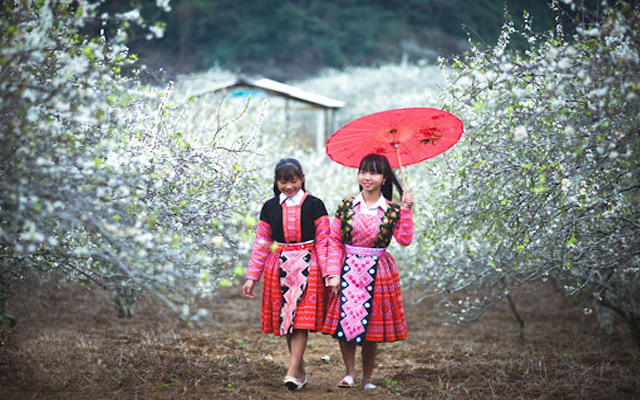
Discover strange customs while traveling in Vietnam
Discover strange customs while traveling in Vietnam
To truly understand and feel the cultural diversity of Vietnam, learning about its unique customs is a must. Each custom is not only a ritual but also contains stories, life philosophies and profound spiritual values of the indigenous people. This is a great opportunity for visitors to not only admire the beautiful scenery but also immerse themselves in the cultural flow, experience new things and broaden their vision of the world.
The Mong people's custom of wife capture - The beauty of love and bravery
The custom of wife kidnapping of the Mong people, especially in the northern mountainous regions such as Ha Giang, Son La, Dien Bien, has existed for a long time and is considered one of the most unique wedding customs in Vietnam. This is not an act of coercion but a part of the proposal ceremony, showing the strength and determination of the man and the tacit consent of the woman. When the couple have gotten to know each other and like each other, they will plan this "wife kidnapping" together.
The ceremony usually takes place at night, when the girl is on her way home or working in the fields. The boy and his friends will "capture" the girl and take her to their house. During this process, the girl will often pretend to resist and scream to show her shyness and preserve her honor in front of the community. This is a play that is implicitly understood and carefully prepared by both sides. After arriving at the boy's house, the girl will be taken care of and persuaded by the boy's family. If the girl agrees, the boy's family will send someone to the girl's house to inform and prepare gifts. If not, the girl will be brought home safely. The custom of wife capture is not only a symbol of love between couples but also a way for Mong boys to demonstrate their bravery, maturity and ability to protect the person they love. For the Mong people, this is a sacred ceremony, connecting two families and showing respect for women.
Visitors to Mong villages during festivals or weddings may have the opportunity to witness part of this ritual, however, it should be noted that this is a private custom and requires absolute respect from outsiders. It is important to learn about the culture before participating or observing to avoid unnecessary misunderstandings.
The Dao people and the custom of stealing for luck – A unique spiritual culture
The Dao people’s custom of stealing for good luck is one of their unique spiritual cultural features, often taking place on the first days of the new year. This is not an ordinary act of theft but a ritual with deep symbolic meaning, expressing the wish for a prosperous, lucky and peaceful new year.
On New Year's Eve or the first morning of the New Year, Dao people from all villages will gather at a pre-selected location to perform the ritual. Then, they will parade together through the houses in the village, carrying the sound of drums, trumpets, and gongs, bustling and joyful. When passing each house, they will try to "steal" a few small, simple items such as vegetables, eggs, and meat hanging in the kitchen. The special thing is that this action must take place in secret. If discovered by the homeowner, the "thief" will be fined with alcohol and is believed to have bad luck that year. On the contrary, if they steal without being discovered, they believe that that year will be filled with good luck, with a bountiful harvest and a prosperous family.
After the ceremony, the stolen "spoils" will be returned to the homeowner, along with New Year wishes and requests for good fortune. The homeowner will happily accept them and often reward the "thief" with small gifts. This custom not only has the meaning of praying for good luck but is also an opportunity for the community to bond, share joy and hope for a good new year. For tourists, learning about this custom is a great way to explore the depth of Dao culture and understand more about their spiritual beliefs.
The Central Highlands People and the Custom of Husband Stealing – Women's Autonomy
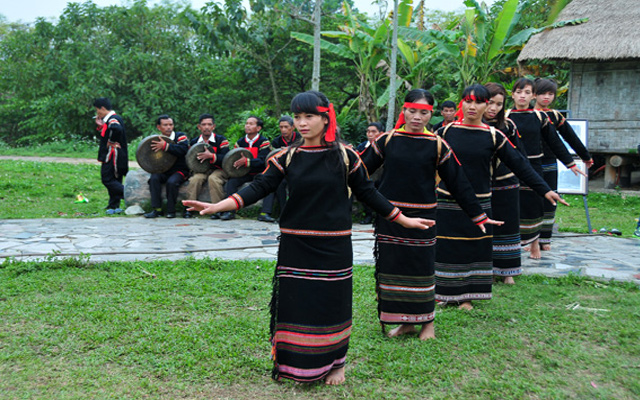
The Central Highlands People and the Custom of Husband Stealing
In the majestic Central Highlands, some ethnic minorities such as Cil, Co Ho, Chu Ru still preserve the unique custom of "husband kidnapping", demonstrating the proactive role of women in marriage. Different from the wife kidnapping custom of the Mong people, "husband kidnapping" in the Central Highlands has a completely different meaning, where the girl has the right to actively choose and "bring" the man she loves to be her husband.
This custom usually takes place at the beginning of the new year, from January to March, when the festive atmosphere fills the villages. When a girl likes a boy, she will actively try to put a ring on his finger at night. If the boy does not agree, he can take the ring off. However, the girl will persistently repeat this action within 7 days. If after 7 days the boy still does not take off the ring or accepts to keep the ring on his hand, it means that he has agreed to marry. After that, the girl's family will come to the boy's house to discuss the wedding.
The custom of "husband kidnapping" is not only a wedding ceremony but also a symbol of matriarchy, where women have a high status in society and are respected. It shows the freedom, strength and decision-making power of girls in love and marriage. For those who want to explore the unique culture of the Vietnamese ethnic groups, a trip to the Central Highlands during the festival season will bring unforgettable experiences, helping you understand more deeply about these traditional values.
The custom of worshiping bowls of water of the Pa Then people - Sacred belief
Among the strange customs in Vietnam, the Pa Then people's custom of worshipping bowls of water is one of the most unique and mysterious beliefs, expressing deep respect for gods and ancestors. The Pa Then people, an ethnic minority living mainly in the northern mountainous provinces such as Ha Giang and Tuyen Quang, have a strong belief in the spiritual world and natural elements.
On the altar of every Pa Then family, there is always a bowl of water placed solemnly. This bowl of water is not only a common worship object but also a symbol of life, purity and connection with the supernatural world. What is special is that this bowl of water must always be covered and never allowed to run dry. The Pa Then people believe that the water in the bowl is the residence of gods and ancestors, bringing luck and protection to the family.
The ritual of changing the water in the bowl usually takes place on the night of the 30th of Tet. This is an extremely sacred and secret ritual. At this moment, all doors in the house, from the main door to the side door, must be closed and locked, all holes must be covered. The homeowner will personally lower the bowl of water, clean it and pour in new water to welcome the new year. This entire process must be kept secret, not allowing any outsiders to see. The Pa Then people believe that if this secret is revealed or witnessed by outsiders, the family will encounter bad luck, business will not be favorable, and there will be continuous illness throughout the year. This custom not only shows respect but is also an important part in maintaining peace and prosperity for the Pa Then community.
Other notable customs
In addition to the customs mentioned above, Vietnam has countless other unique cultural features of ethnic minorities that tourists can explore. For example, the Lo Lo people in Ha Giang have the custom of “fire dancing” during Tet, an impressive ritual to pray for peace and a bountiful harvest. Or the Cham people in Ninh Thuan with the Kate festival, remembering gods and ancestors, with traditional dances, lively music and splendid costumes.
In the northern mountainous region, many ethnic groups still maintain the custom of “forest worship”, expressing respect and gratitude to nature for providing life. These rituals are often held in sacred forests, with the participation of the entire community, praying for favorable weather and good vegetation.
The Southwestern region has customs closely related to rivers, typically the Khmer Ngo boat racing festival, an activity demonstrating community strength and gratitude to the Water God. The elaborately decorated boats, strong rowers and cheering create a vibrant, unforgettable festival atmosphere.
Every custom, big or small, is an important piece that creates the colorful cultural picture of Vietnam. They are not only traditional rituals but also a way for ethnic groups to preserve their identity and pass on precious spiritual values to the next generation.
Tips for tourists when exploring local customs
When participating in or observing the customs of ethnic minorities, the most important thing is respect. Visitors should learn in advance about the rules and taboos of each ethnic group to avoid unintentionally causing offense.
-
Dress: You should choose modest, polite clothing, especially when visiting places of worship or participating in ceremonies.
-
Communication: Always be friendly and open. If possible, learning a few simple greetings in the local language will help you connect with the locals more easily.
-
Photography: Always ask permission before taking photos of people, especially children or people participating in ceremonies. Some ethnic groups may not like to have their photos taken.
-
Get involved: If invited to participate in community activities, be enthusiastic but remain humble and learn.
-
Shopping: Support traditional handicrafts of local people to contribute to maintaining and developing their culture.
The strange customs in Vietnam are not only interesting stories but also profound lessons about culture, history and people. Discovering them is a meaningful journey, helping you understand more about the diversity and hidden beauty of this country. Hopefully, the above sharing will help tourists have more useful information and best prepare for a trip to Vietnam full of experiences and discoveries.